


Disaster Ready: Creating A Pet Emergency Plan Before You Need One

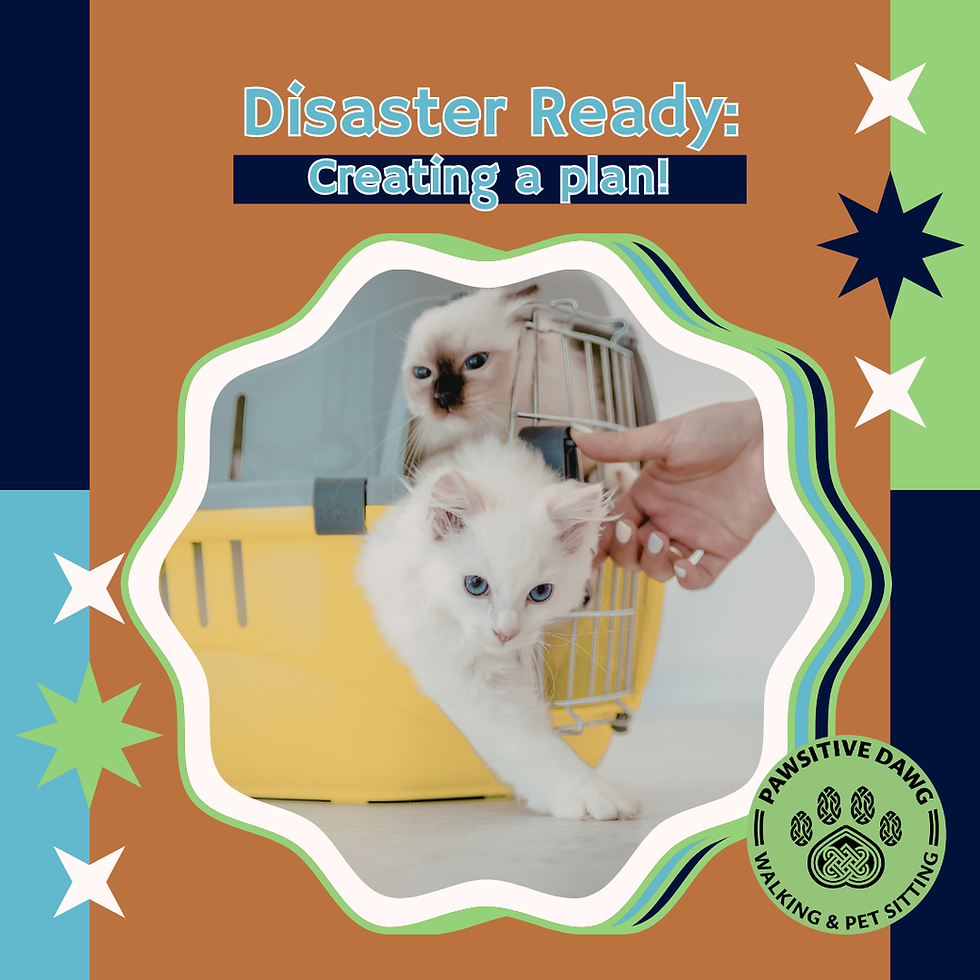
Emergencies have a way of making even simple decisions feel overwhelming. When a storm is coming, temperatures are rising, or a sudden evacuation is possible, having a plan in place can make a stressful situation feel much more manageable. Our pets rely on us to think ahead for them, and a little preparation now can go a long way in keeping them safe, comfortable, and supported when the unexpected happens.
A pet emergency plan is not about assuming the worst. It is about giving yourself peace of mind and making sure you are ready to act quickly if needed. Whether you are preparing for a summer heat wave, a winter blizzard, a major storm, or a situation where you may need to leave home in a hurry, your plan should be practical, easy to access, and tailored to your pet’s individual needs.
One of the most important steps is building a pet emergency kit. This can include several days of food and water, medications, bowls, leash and harness, waste bags, litter and litter pan, a blanket, comfort items, and copies of your pet’s medical records. It is also helpful to keep a recent photo of your pet and up to date ID information in the kit. If your pet has a microchip, double check that your contact information is current. In an emergency, every small detail matters.
If you share your home with a cat, carrier training is one of the most valuable things you can do ahead of time. Many cats only see their carrier when it is time for a stressful trip, which can make getting them safely inside during an emergency much harder. Instead of waiting until you need it, try leaving the carrier out as part of your cat’s normal environment. Add soft bedding, treats, or a favorite toy so it becomes a familiar and safe space. Practice short, low pressure sessions where your cat can enter and exit freely. The goal is to help the carrier feel normal rather than alarming.
For dogs, especially those who are nervous, sensitive, or easily overwhelmed, safe handling matters just as much. In a stressful situation, even a friendly dog may react differently than usual. Practice calmly putting on harnesses, clipping leashes, and moving together with as little pressure as possible. Make sure your dog is comfortable being guided to the car, brought into new spaces, and handled gently if needed. If your dog is fearful around noise, strangers, or sudden movement, think through how you can reduce stress while still keeping them secure. Having a well fitted harness, a backup safety clip, and a familiar routine can make a big difference.
It is also important to think beyond your own home. If you had to leave quickly, where could your pets go? Not every emergency shelter, hotel, friend, or family member can accommodate animals, so it is worth researching pet friendly options now instead of scrambling later. Make a short list of possible places your pets could stay and save phone numbers and addresses somewhere easy to access. If your pet has special needs, such as medication, mobility issues, or behavioral concerns, include those notes in your plan too.
Weather related emergencies each bring their own challenges. During heat waves, pets may need extra water, shorter outdoor time, cooling strategies, and careful monitoring for signs of overheating. During blizzards, you may need enough supplies on hand in case travel becomes unsafe or delayed. Storms and power outages can affect routines, feeding schedules, medication storage, and your ability to safely get in and out of the home. Planning ahead helps you respond with more confidence and less panic.
It can also help to create a written checklist for yourself. In the middle of stress, it is easy to forget important details. A checklist can include things like grab the emergency kit, bring medications, secure your pet in carrier or harness, bring food and water, and confirm where you are going. Keeping this list simple and visible can save valuable time.
Our team knows that pets do best when care is thoughtful, calm, and proactive. During visits, we pay attention to safety details like secure harnesses, properly fitted gear, home access, and pet behavior so concerns can be noticed early. We also understand that many pets, especially shy cats and nervous dogs, need gentle handling and routines that help them feel safe. Having support from people who know your pet well can be an important part of your overall emergency planning.
Being disaster ready does not mean you have to prepare perfectly. It simply means taking small, meaningful steps now so you are not starting from scratch during a crisis. A little planning today can help protect your pet’s safety, reduce stress, and make it easier to care for them when they need you most.


Comments