


Pet First Aid Essentials Every Pet Parent Should Know

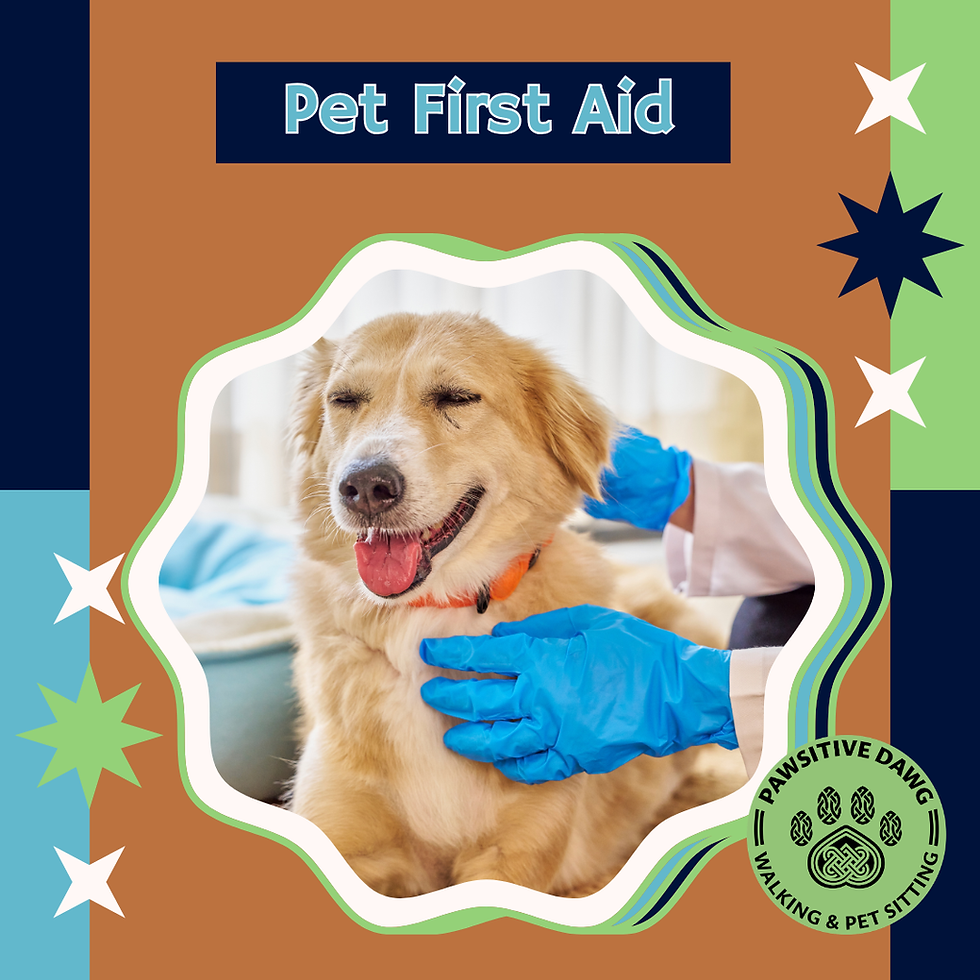
Emergencies can feel overwhelming, especially when your pet is scared, hurt, or in pain. In those moments, knowing a few basic first aid principles can help you stay calm, protect your pet, and make better decisions about what to do next. Pet first aid is not a substitute for veterinary care, but it can help stabilize a situation while you get your pet the help they need.
One of the most important things to understand is what first aid is and what it is not. First aid means providing immediate, basic support until a veterinarian can take over. It may include controlling minor bleeding, protecting a wound, safely moving an injured pet, or helping prevent a situation from getting worse. It does not mean diagnosing a condition, giving human medications without veterinary guidance, or trying to treat serious injuries at home.
There are times when it is best to skip home care and go straight to the vet. Trouble breathing, collapse, seizures, being hit by a car, suspected poisoning, heatstroke, severe bleeding, deep wounds, inability to urinate, repeated vomiting, or signs of intense pain all require immediate veterinary attention. If you are ever unsure, calling your veterinarian right away is the safest choice.
For minor cuts or scrapes, basic wound care can be helpful. Start by staying calm and approaching gently. If your pet is frightened or painful, even the sweetest animal may react differently. If it is safe to do so, you can gently rinse a small wound with saline or clean water and use a clean cloth or gauze to apply light pressure if there is mild bleeding. Avoid using hydrogen peroxide, alcohol, or ointments unless your veterinarian specifically recommends them, since some products can irritate tissue or delay healing.
Bandaging is another area where caution matters. A bandage that is too tight can cause serious harm, while a loose bandage can slip and create more problems. Unless you have been shown how to bandage properly, it is often better to cover a wound lightly with clean gauze and head to the vet. The goal is to protect the area, not create pressure points or cut off circulation.
Muzzle safety is also important during emergencies. Pain and fear can make pets react in ways that are unusual for them. A muzzle can help protect everyone in some situations, but it must be used carefully. Muzzles should never be used if a pet is having trouble breathing, overheating, vomiting, or showing signs of distress that could worsen with restricted airflow. Soft, gentle handling and careful observation are always important.
Learning gentle handling is one of the most valuable things a pet parent can do. Moving slowly, speaking softly, watching body language, and avoiding force can help reduce fear during an emergency. When pets feel less threatened, it is often easier to assess the situation and get them the care they need. Practicing calm handling during everyday life can make a real difference when stressful moments happen.
Our team knows that safety and emotional well being go hand in hand. During visits, we pay close attention to changes in behavior, comfort, mobility, and routine so concerns can be noticed early. We also use thoughtful, gentle handling to help pets feel as safe and supported as possible, especially when they are feeling vulnerable or stressed.
Pet first aid is about being prepared, staying calm, and knowing your limits. A stocked pet first aid kit, your veterinarian’s phone number, and a basic understanding of emergency care can go a long way. The more prepared you are now, the more confident and helpful you can be if your pet ever needs you in a critical moment.


Comments